Thursday, September 25, 2014

YA Scavenger Hunt Time!

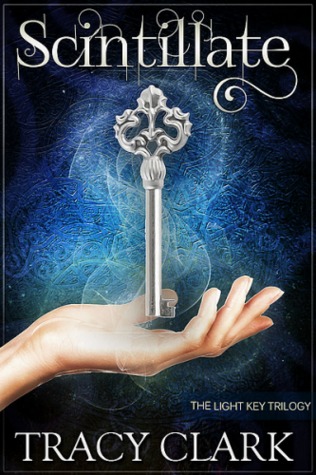
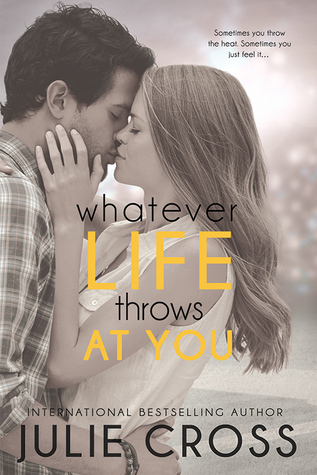
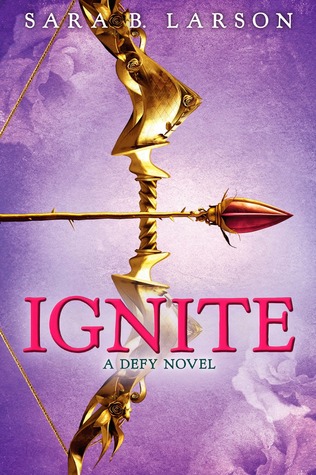
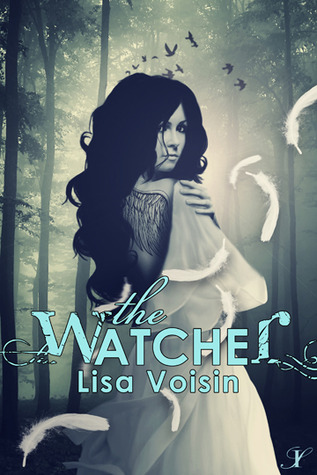
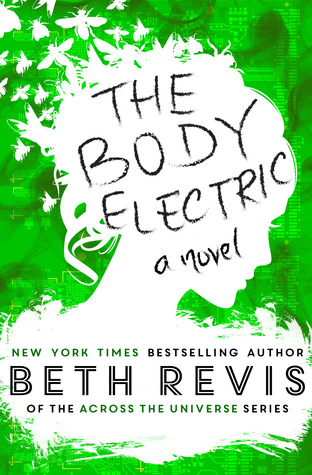
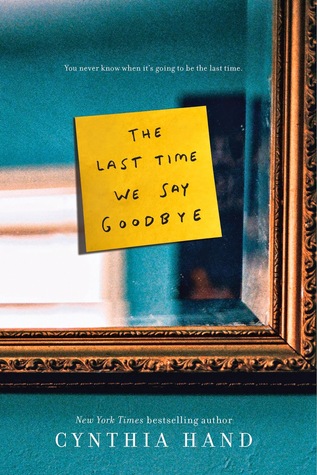
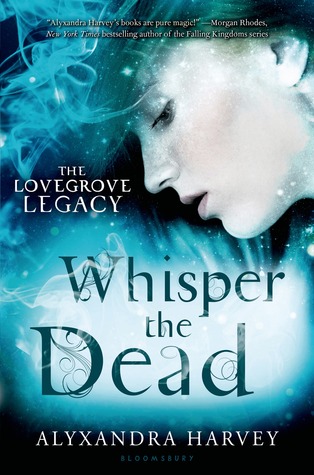
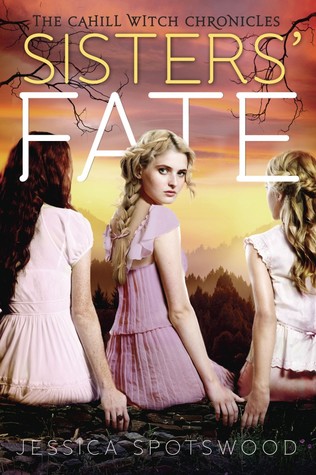
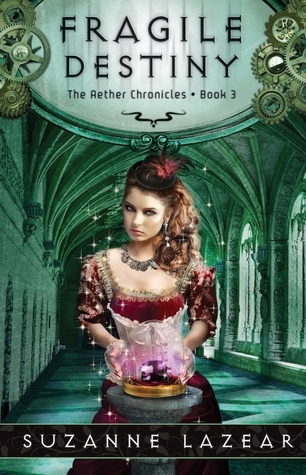
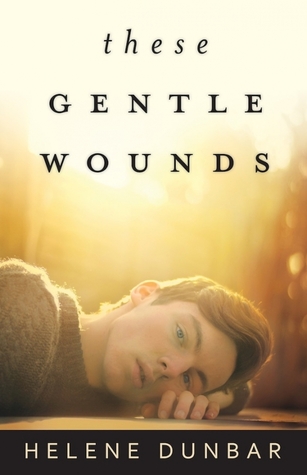
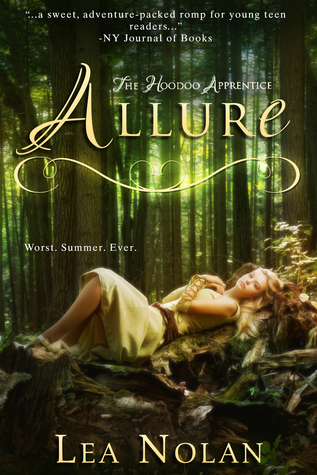
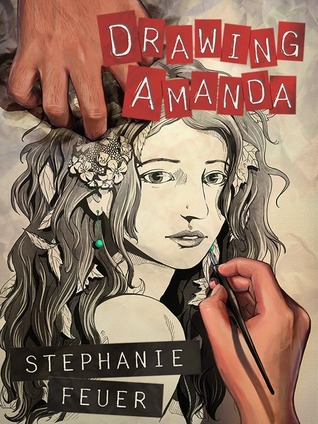
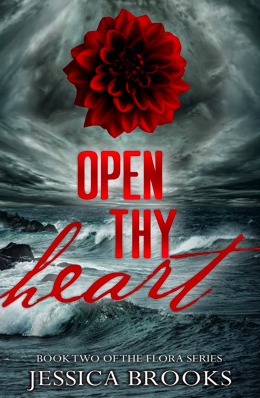
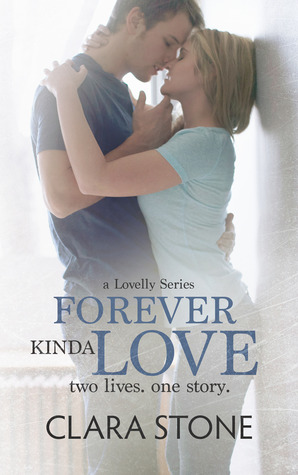
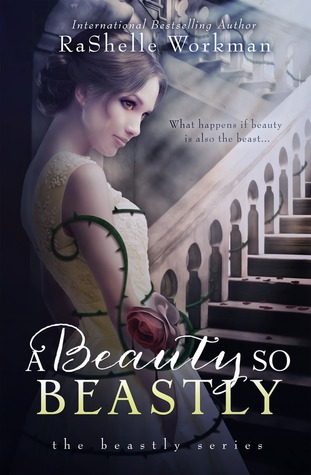
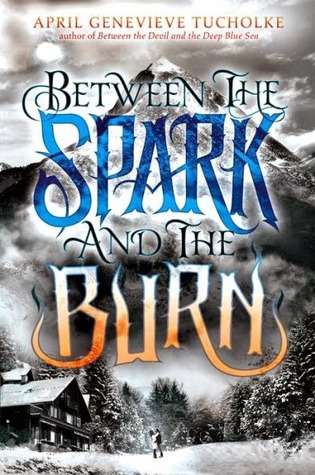
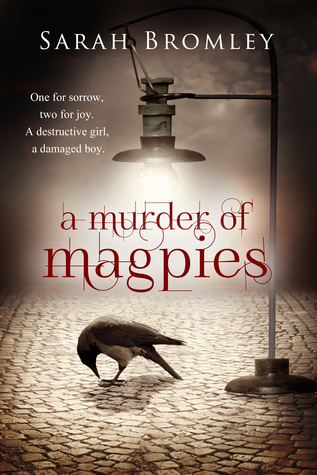
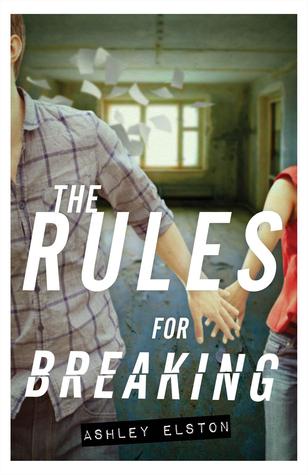
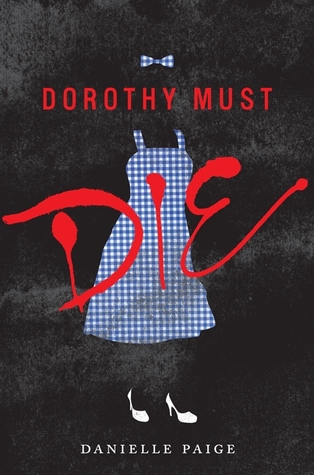
Hello Everyone! It's that time again. We have less than two weeks until the YA Scavenger Hunt begins. I hope you reserved plenty of time for this one because there isn't just one team or two or even three. This time we have 6, that's right, I said 6 YASH teams which means more prizes, news, and fun for all you readers out there! So let's get started!
TEAM RED INCLUDES:
 
TEAM GOLD INCLUDES:
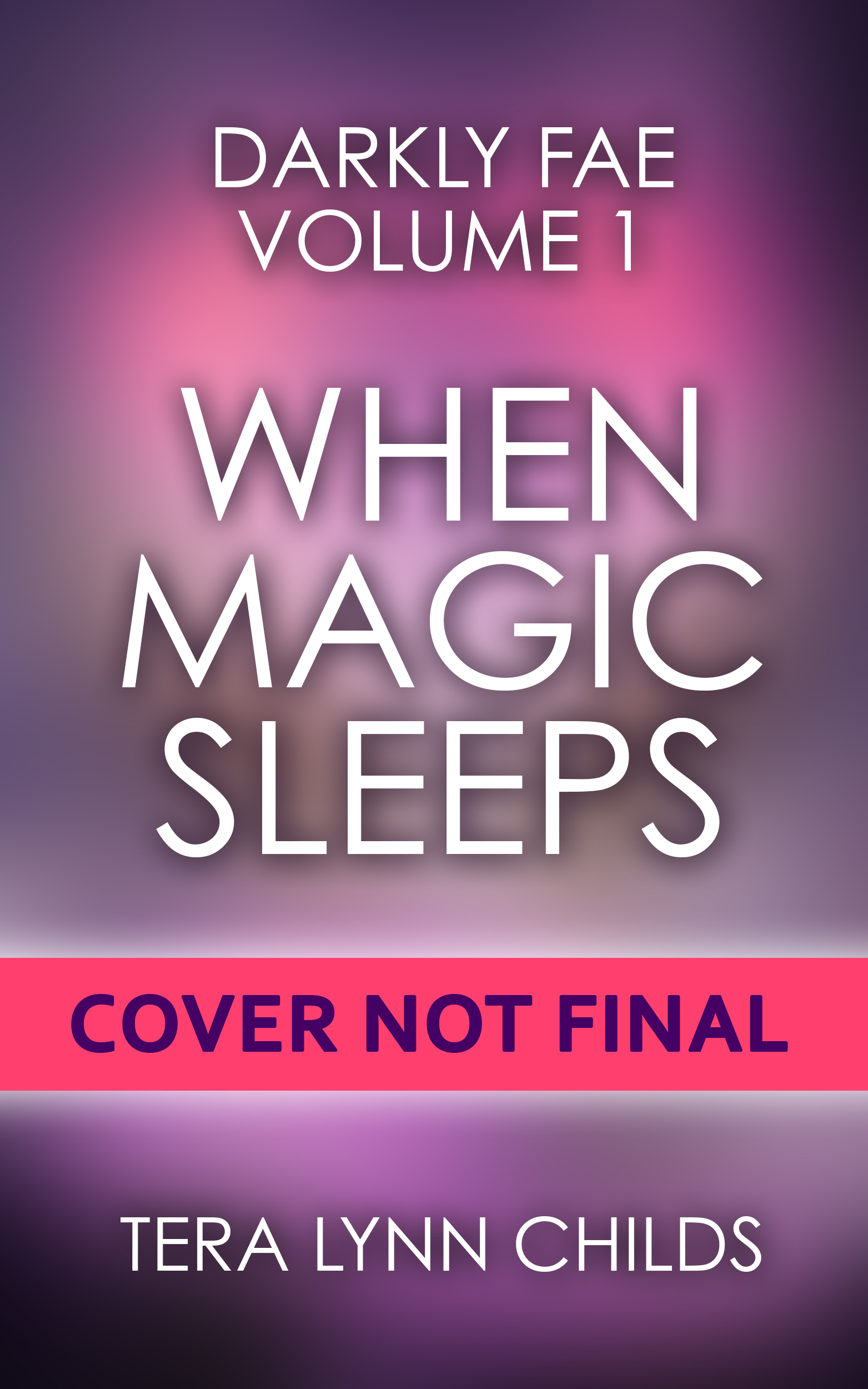
WMS_teaser  
TEAM GREEN INCLUDES:
 
TEAM ORANGE INCLUDES:
 
TEAM INDIE INCLUDES:
 
TEAM BLUE INCLUDES:
  There are so many books here I don't even know where I would begin. I hope you all are as excited as I am! The YA Scavenger Hunt begins at noon pacific time on Thursday, October 2nd and runs through Sunday, October 5th. That means to get through the entire hunt you'll need to go through 1.5 teams per day! Leave a comment below to tell me which team you are the most interested in checking out!

Tuesday, July 8, 2014

Book vs...Coffee?

I admit, I'm not much of a coffee person.  By extension, I'm also not much of a Starbucks person.  Occasionally, mostly in the winter, I'll pop in and get some exotically named warm drink.  A special treat!  But it's not something I do regularly.  Yet I know there are many, many people for whom a trip to Starbucks (or Dunkin Donuts, etc.) is a regular, daily occurrence.

So, yesterday I'm out doing errands with my 13 yr. old daughter, who loves fancy coffee drinks.  I got a Starbucks gift card last week for my birthday, so we stopped at our local one for a quick treat.  It was too warm and steamy out for hot coffee, so I decided to try a cold drink instead (even though I'm pretty sure that I don't like cold coffee, period!).  Daughter talked me into trying some sort of mocha cookie crumble frappuccino (almost like a coffee milkshake, I guess?!).  So, we ordered two....no joke, it was just short of $10.  So, somewhere in the neighborhood of $5 per drink.  Luckily, I had my gift card, but still.  I was a little taken aback by the price.  But, we waited and watched as the barista made our drinks.  I think it took about 3 minutes, tops, and we were on our way, cold drinks in hand (and for the record, no, I didn't like it!  Ick!).

But it got me thinking about book pricing and the constant demand for lower prices, especially for ebooks--about the craze for 99 cent books on Amazon, how there are about a gazillion titles available for $2.99 or $1.99...even FREE.  Over and over again, I've heard readers exclaim how they will NEVER pay more than $2.99 for an ebook, EVER.

And it made me think of the hours I put into writing each of my books.  Months, even.  Do these same readers--the ones who unequivocally won't pay more than $2.99 for an ebook--ever get a frappuccino at Starbucks?  Do they complain that they'll never, EVER pay more than $2.99 for that frapp that takes a barista approximately THREE MINUTES to prepare (and that was for TWO!)?  And let's face it...no offense meant to baristas, and I'm sure there are creative ones out there, but do they ever suffer from barista block?  Do they ever wonder exactly how they're going to finish making that coffee drink, stressing over and it and losing sleep over it?  I mean, probably not, right?  It only takes them three minutes, after all (and okay, I know I should probably be factoring in the time taken to grow the coffee, harvest the coffee, process the coffee, but whatever).

And maybe you'll say, well, coffee buyers don't really have a choice.  That's how much fancy coffee drinks cost, so if you want to drink them, that's just how much you have to be willing to spend.  But it isn't really true.  There is the indie-book equivalent of the fancy Starbucks drink--the "I can make a fancy cup of coffee at home" alternative.  I did this just last week.  I fired up my cappuccino maker, heated my milk, added a squirt of caramel and topped the whole thing with whipped cream.  Voila, a beautiful caramel latte!  It was delicious, and I guess I could do the fancy math and figure out my exact costs per cup but I won't.

Anyway, I'm mostly rambling, but I guess my question is, when did we, as American consumers, come to value a fancy cup of coffee that takes three minutes to produce over a book that took months to write/edit/publish??  Where are the "I'm never paying more than $2.99 for a cup of coffee" vehement declarations?!  The grumbling rants about how overpriced coffee is, the all-caps rants that COFFEE STORES ARE RIPPING OFF COFFEE DRINKERS AND SHOULD LOWER THEIR PRICES, OR GUESS WHAT?!  WE WILL RUN THEM ALL OUT OF BUSINESS!  AFTER ALL, WE CAN MAKE OUR OWN COFFEE AT HOME!

But seriously?  Why will people pay $4.99 for a mocha cookie crumble frapp but not for a book??

And me?  Seriously, I'm NEVER paying more than $2.99 again for a cup of coffee.  I will spend the rest of my Starbucks gift card on...I dunno, a mug?  Or something.

Tuesday, June 10, 2014

COVER REVEAL! UNDRESSED (Undone by Love #2) by Kristina Cook

The second book in my "Undone by Love" series, UNDRESSED, is coming out in digital format soon!  This is Colin Rosemoor's story, set two years after the events in UNLACED.

Here it is...


Friday, May 2, 2014

#WeNeedDiverseBooks


Yes, #WeNeedDiverseBooks.  What's sad is that this is even an issue--that it requires a #hashtag and a Twitter campaign (you can read about the campaign HERE) to get people talking about it.  But the truth is, we do need to talk about it.  It all began when BookCon announced an upcoming "Blockbuster Reads" panel of YA/MG authors, with the panel comprised *entirely* of white male authors.  Yes, you read that correctly. All. White.  Male. Authors. You can read the details HERE.

And so, a campaign was born.  There are some fabulous books out there that celebrate diversity, including my BFF and critique partner Amalie Howard's ALPHA GODDESS, an Indie Next pick and an all-around fantastic read; Ann Christopher's upcoming YA novel MONSTRUM; Eve Silver's THE GAME series.

But here's something a lot of authors aren't comfortable discussing:  As a white author, I've often grappled with the idea of writing a book featuring a protagonist who is a person of color.  I'd like to, but worry that I might be perceived as trying to "appropriate" someone else's culture/conflict. I might be accused of writing inauthentically, because, after all, how can a white woman authentically tell a person of color's story?  I would counter with the fact that I've managed to write a vampire's story without being a vampire myself, but I'm willing to concede that it's not the same (since, you know, vampires don't really exist).

Still, that doesn't mean I people my novels with an all-white cast.  Why would I do that?  I don't live in an all-white world, and a simple glance around my own circle of friends would tell you that that doesn't reflect my own experience.

And, more importantly, it doesn't represent my kids' experience--and my kids are teens, just like my books' characters.  I've included some photos of my daughters with some of their closest friends.  Yes, my daughters are white, but their friends are white, black, of Asian and latin and Hawaiian descent, both boys and girls.

This is the real world--the wonderfully diverse world that my daughters live in.  Why would I want anything different for my books' protagonists?

When I include characters in my books who are people of color, they are not there as "token" diversity.  They're there because, when I envision a circle of friends for my fictional characters, I naturally see a circle as diverse as what I see in real life.

Sometimes, I'm perhaps not as explicit as I should be.  For instance, I've known people who've read the entire Winterhaven series without realizing that Violet's best friend and roommate, Cece, was black.  The color of her skin wasn't an important plot point--what was important was her character. Her loyalty, her intelligence, her friendship.  In retrospect, I wish I had made it a little more apparent.  In my mind, Marissa is also a person of color--half Asian-American, half white.  Again, her race wasn't a factor in the plot and therefore not explicitly discussed, but if you read closely, the clues are there.

In my upcoming novel, MAGNOLIA, I felt it was more important to address race more directly.  After all, the book is set in the state of Mississippi (where I attended college).  There are many wonderful things about the state of Mississippi, but to ignore the fact that racial tensions still exist there would be very short-sighted on my part.  The book's protagonist, Jemma, has two best friends, Lucy and Morgan. I chose to make Lucy a black girl whose mother is a pediatrician.  To pretend that this wouldn't be an issue for some folks in small-town Mississippi would be, at the very least, highly inauthentic, so I included a character who refused to take her precious babies to "one of those people" and allowed my characters to react--hopefully authentically--to this type of unacceptable racism.

Folks, we do need diversity in books.  We need protagonists who are people of color, of diverse racial and ethnic and religious and socioeconomic backgrounds.  But even in books with white protagonists, we need world-building that reflects the real world in all its diverse glory.

I pledge to do my part.  Let's get this discussion going--how do you feel about white authors writing protagonists who are people of color?  Can it be done authentically?  Should writers be more explicit about characters' race/ethnicity, even if it isn't important to the plot?  Should it always be important to the plot?  Discuss, and help spread the word:
#WeNeedDiverseBooks


Tuesday, April 22, 2014

Cover Reveal! UNLACED by Kristina Cook

I'm excited to unveil the new cover of the re-issue of my very first historical romance for adults, UNLACED (first published by Kensington/Zebra  Books in 2004).  Not sure about the release date, but it's coming soon in digital format.  The other three books in the series--UNVEILED, UNDRESSED, and TO LOVE A SCOUNDREL will soon follow.  
And now...here it is!


UNLACED by Kristina Cook
Book One in the "Undone by Love" series

England, 1817

All Lucy Abbington wants is to get through her first London season without losing sight of her true ambition—gaining some informal training in veterinary arts so that she can retire peacefully to the countryside with her beloved horses. Instead, she’s caught up in a whirlwind of balls, marriage proposals, and ton intrigues.  Worse, she finds herself irresistibly drawn to her sponsors’ maddening neighbor, Henry Ashton, the Marquess of Mandeville. The handsome, arrogant, sometimes infuriating Mandeville stokes a passionate fire within her that won’t be denied, no matter the consequence. 

Deep, emotional scars secretly plague Henry, Lord Mandeville. As a result, he’s avoided romantic entanglements at all costs. Only, now he needs a wife—someone from a wealthy, powerful family to further his political aspirations. Instead, he finds himself all but obsessed with the beautiful but unconventional Lucy Abbington—a woman whose passions and wit stir desires he’d rather ignore.  And yet…she might just be the one woman who can heal his wounded heart.  


Lucy and Henry’s heads say no, but their hearts say yes. Will they find themselves undone by love?

Love vs. Like

It's interesting to me, as a writer, to experience things from an editor's point-of-view.  It's actually quite enlightening to see things from the other side of the desk, so to speak.  One thing I've learned recently is that there's a *huge* difference between what happens with "I love this manuscript!" and "I like this manuscript."  Even if I liked it a lot.

There was one book that I loved, but wasn't able to acquire because none of my fellow editors shared my enthusiasm.  Maybe they liked it, but they didn't love it.

There have been several manuscripts that I've liked.  Really liked.  They were perfectly enjoyable reads, and very well-written.  And yet....that certain X-factor just wasn't there for me.  And here's the thing--an editor has to love a manuscript in order to acquire it.  Why?  Because first you have to convince the rest of your "team" (whether that means editorial, or marketing/sales) that your house *must* have the book.  I know that sounds easy-peasy, but it isn't.  Then, once you've acquired it, you have to be willing to read the manuscript a million times.  A zillion, even.  Over and over again, until you probably know every word by heart.

I've had to turn down books I've liked.  Good books.  Some really good books.  

What does this mean to me, as a writer?  That rejections aren't equivalent to "your book sucks" or "don't quit your day job."  That an editor could very well have enjoyed my book--even thought it well written and fun.  That they even might have liked it a lot.  They just didn't love it.  And you know what?   That's okay.  We can't all "love" the same things--if we did, the world would be a boring place.  Imagine if everyone loved vanilla ice cream.  Why would anyone bother with any other flavors?  What's the point, if everyone loves vanilla?  But in reality, everyone doesn't.  Some people eat vanilla ice cream and think, "Eh."  Others actually hate it.  That's why there's chocolate.  And strawberry.  And rocky road.  And pistachio.
There's nothing wrong with being the pistachio.

Thursday, April 3, 2014

Rejection Letters...

My "lesson learned" this week as a newbie editor was not a fun one, but here it is:  Sending a rejection letter is pretty much as hard as being on the receiving end of one.  Yup.  I think I can safely say that this is the part of the job that I will enjoy the least.